

RNAO Ottawa Region 10 proudly highlights the Registered Nurses' Association of Ontario's ongoing engagement with political leaders and decision-makers who shape health policy across our communities.
Through respectful dialogue and collaboration, RNAO Region 10 meets with elected officials from all levels of government to advocate for safe patient care, strong public health systems, and healthy workplaces for nurses and health-care professionals. These conversations allow nurses to share frontline realities, evidence-based solutions, and the lived and current living experiences of patients and families.
Featuring these leaders helps increase transparency, accountability, and public awareness of the policies impacting health care today. Our goal is not partisan, it is patient-centred. By fostering open communication between nurses and policymakers, we work toward sustainable, equitable, and accessible care for all Ontarians.
Together, informed leadership and nursing expertise can drive meaningful change.
Primary Care Crisis and How Housing Should be a Human Right
January 23, 2026
Author: Tracy Saldivia-Odar, Communications ENO
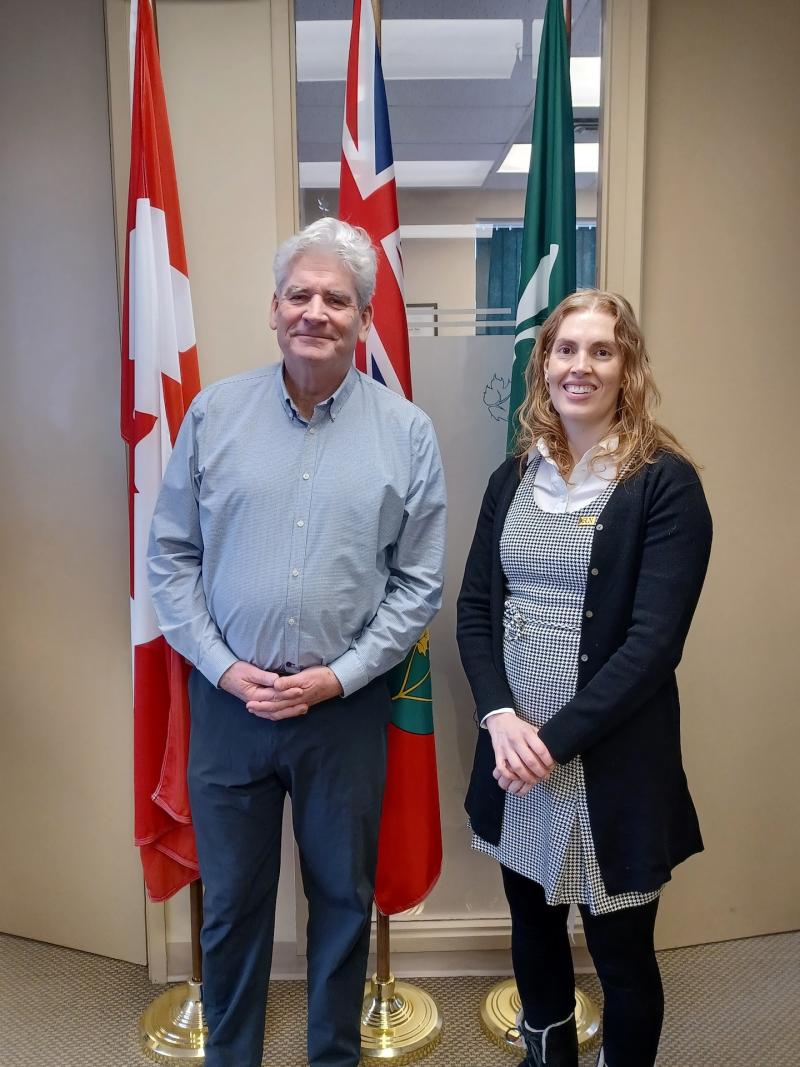
As Ontario's health-care system faces mounting pressure, RNAO Ottawa Region 10 met with MPP John Fraser to discuss urgent policy concerns. Chief among them is the province's primary care crisis and the growing housing emergency.
Jenna Bennett,RNAO's Policy and Political Action Executive Network Officer (ENO), met with John Fraser, the MPP for Ottawa South and current Acting Leader of the Ontario Liberal Party, to continue conversations first raised last year. With Fraser now in a leadership position within his party, RNAO Ottawa Region 10 emphasized the opportunity for renewed focus on solutions.
A Primary Care System Under Strain
Ontario is grappling with significant gaps in access to primary care. Millions of residents across the province do not have a family physician or primary care team, leaving many to rely on emergency departments for non-urgent care. Health experts warn that without expanded primary care capacity, hospitals will continue to absorb preventable demand.
The situation is particularly concerning in Ottawa, where demographic projections show that by 2030, one in four residents will be over the age of 65. As the population ages, demand for chronic disease management, home care services, and community-based supports will rise sharply.
Many seniors prefer to age in place, remaining in their homes rather than entering long-term care facilities. However, aging in place depends heavily on a strong stable home care and community nursing workforce.
The Wage Gap Driving Nurses Away from Community Care
A key issue raised in the meeting was the wage disparity between hospital and non-hospital nursing sectors. Hospital nurses earn approximately an $54.37 per hour, while nurses in certain community and home care sectors earn closer to $37.01 per hour nearly 30% less.
RNAO representatives warned that this pay gap is pulling experienced nurses away from community settings and into hospital roles, not out of preference, but financial necessity.
While hospitals remain critical, this internal migration weakens the very sectors needed to manage an aging population and reduce hospital overcrowding. Without competitive compensation in home care and primary care settings, the imbalance is expected to worsen.
"Nurses want to work where their skills are most impactful," Jenna Bennett noted, "but compensation structures are influencing workforce distribution in ways that undermine system sustainability."
Nurses as Part of the Solution
The discussion with MPP Fraser focused not only on challenges but also on opportunities.
Expanding nurse-led models in primary care, improving retention strategies, and closing sector wage gaps were identified as practical steps to stabilize access. Strengthening community-based care could reduce emergency visits, improve chronic disease management, and support seniors aging safely at home.
With Fraser currently serving as Acting-Liberal Leader, RNAO Ottawa Region 10 underscored the importance of cross-sector collaboration and evidence-informed policy reform.
Housing as a Human Right
Beyond health-care delivery, the meeting also addressed housing, increasingly recognized as a key determinant of health.
Ontario's housing crisis continues to affect vulnerable populations, including seniors, low-income families, and individuals with chronic health conditions. Housing instability is associated with higher hospital admissions, worsening mental health outcomes and increased strain on social services.
RNAO Ottawa Region 10 advocates argue that recognizing housing as a human right is essential to improving population health outcomes. Stable, affordable housing enables better disease mangagment, reduces emergency health utilization, and strengthens community well-being.
For seniors hoping to age in place, housing affordability and accessibility are inseparable from health policy.
Continuing the Conversation
The January 23 meeting reflects RNAO's Ottawa Region 10 ongoing efforts to bring frontline nursing perspectives directly to policymakers. As Ontario navigates complex demographic and economic pressures, advocates say sustained dialogue will be critical.
With an again population, a strained primary care system, and growing housing insecurity, the stakes are high. RNAO representatives made clear: meaningful reform must invest not only in hospitals, but also in the community, where prevention, primarily care, and ageing in place begin.
Advocacy in Action: Addressing Access and Stability
January 16, 2026
Author: Tracy Saldivia-Odar, Communications ENO
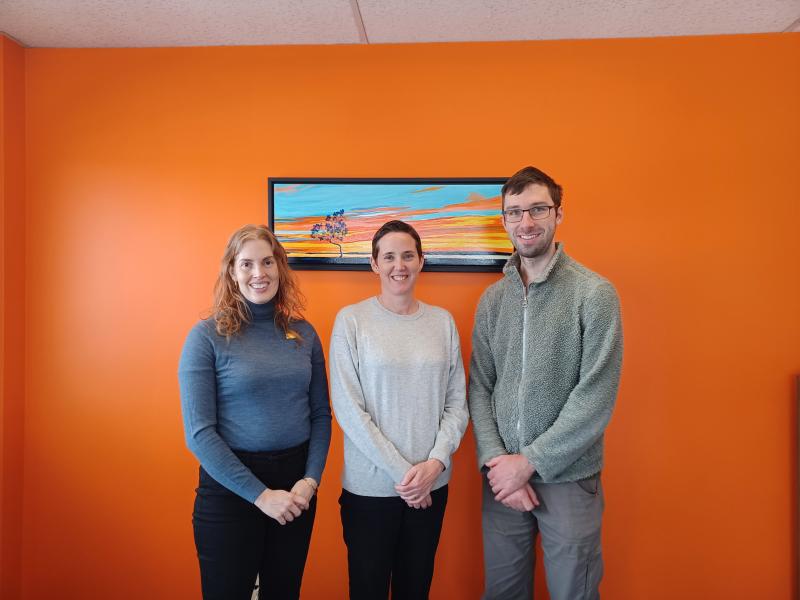
RNAO Ottawa Chapter 10 recently met with Chandra Pasma to discuss two deeply interconnected crises in Ontario: primary care access and housing insecurity.
MPP Pasma, who represents Ottawa West-Nepean, has long been recognized as a strong housing advocate. The discussion reflected that expertise, focusing heavily on the direct and undeniable intersection between housing and health.
When Housing is Health Care
Unlike many policy conversations where the link between housing and health must be established, this meeting did not require explanation of the basics. The connection was clear.
Stephen, RNAO Membership Executive Network Officer (ENO), shared his experience working directly with homeless youth and navigating the systemic barriers they face. Jenna Bennett, Policy and Political Action ENO, echoed similar frontline realities. Laura, Finance ENO, contributed insights from her harm reduction work, describing the challenge of discharging patients back to the street, a cycle that often leads to preventable readmissions and worsening health outcomes.
The group emphasized that homelessness and under-housing are not separate from the healthcare crisis, they are drivers of it.
Research consistently shows that individuals experiencing homelessness have significantly higher emergency department use and hospital admissions. Chronic illnesses such as diabetes, and cardiovascular disease, and respiratory conditions worsen without stable housing. Mental health and substance use challenges are compounded by instability.
The Primary Gap
Ontario's primary care system remains under strain. Millions of residents across the province do not have a family physician or primary care team, pushing non-emergent issues into hospital emergency departments.
At the same time, Ontario population continues to age. As more residents live longer with complex conditions, the need for accessible, preventative, and community-based care grows.
Without structural reform, pressure on hospitals will continue to intensify. Ottawa Chapter 10 emphasized that strengthening primary care is one of the most effective strategies to reduce system-wide costs and improve health outcomes.
Three key Policy Priorities
Ottawa Chapter 10 highlighted three clear and actionable priorities for MPP Pasma attention:
1.Invest a Minimum of 1% of the Provincial Budget in Affordable Housing
Ottawa chapter 10 suggested for at least 1% of Ontario annual provincial budget to be dedicated to accessible, affordable housing programming.
Stable housing reduces emergency visits, hospital readmissions, and long term health expenditures. Jurisdictions that invest in supportive housing consistently demonstrate downstream cost savings in health care, justice, and social services.
Housing is not simply shelter, its is preventive medicine.
2.Double Nurses Practitioner (NP) Clinics Across Ontario
Expanding nurse-practitioner led clinics would immediately increase access to primary care, particularly in underserved and rural communities.
NP-led clinics are evidenced-based, cost-effective, and patient-centred. They reduce emergency department reliance, improve chronic disease management, and enhanced preventative care.
Doubling these clinics would address attachment gaps and relieve hospital strain while improving continuity of care.
3. Achieve Wage Parity Across Nursing Sectors
The delegation also addressed the ongoing wage disparity between hospital and community nursing sectors. Community and home care nurse often earn substantially less than their hospital counterparts, contributing to workforce migration toward hospitals.
This imbalance weakens primary care and home care capacity, precisely the sectors needed to reduce hospital pressure.
British Columbia has implemented wage parity across nursing sectors, demonstrating that Canadian solutions already exist. The barrier is not feasibility, it is political will.
A Shared Understanding
The meeting underscored an important reality: housing reform and health-care reform cannot happen in isolation.
Discharging a patient without stable housing is not a healthcare success. It is a system failure.
Preventing avoidable hospitalizations through supportive housing, expanding primary care access, and stabilizing the nursing workforce are not competing priorities, they are mutually reinforcing strategies.
As Ontario navigates mounting pressures from an aging population, workforce shortages, and housing instability, policymakers face difficult fiscal choices. However, the message from Ottawa Region 10 was clear: strategic investments upstream will reduce costs downstream.
Housing is healthcare. Primary care is cost containment. Nurses are central to both.
The conversation with MPP Pasma reflected a shared understanding that sustainable reform requires coordinated action, and the political commitment to make it happen.
January 8, 2026
Author: Tracy Saldivia-Odar, Communications ENO
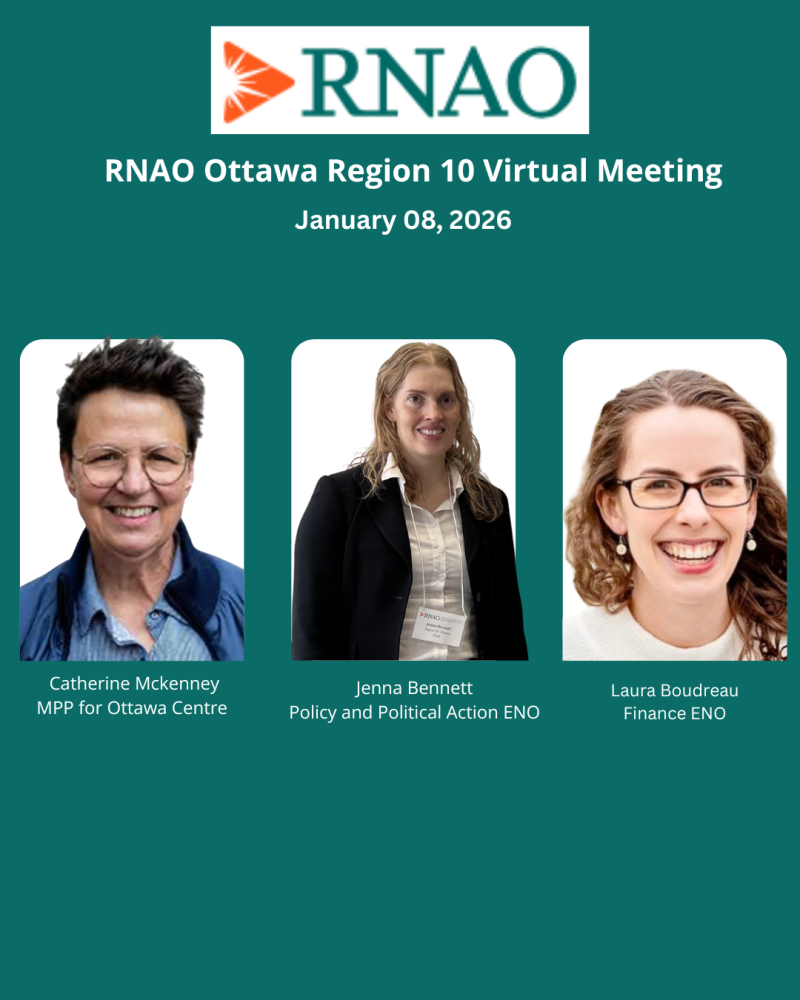
On January 8, 2026, representatives from the Registered Nurses' Association of Ontario (RNAO) Region 10 Executives met virtually with Catherine McKenney to discuss key policy priorities affecting healthcare and communities across Ontario. Participating in the discussion were Laura Boudreau, Finance ENO, and Jenna Bennett, Policy and Political Action ENO.
During the meeting, the RNAO Ottawa Region 10 group highlighted several priorities, including improving primary care attachment, addressing the ongoing nursing workforce crisis, and achieving wage parity across all nursing sectors in Ontario. The conversation emphasized how equitable compensation and better support for nurses are essential steps toward strengthening the healthcare system and improving patient care.
A significant portion of the discussion focused on housing and its direct impact on health outcomes. McKenney, who uses they/them pronouns, has been a consistent and vocal advocate for expanding affordable and supportive housing. The RNAO Ottawa Region 10 representatives shared frontline nursing perspectives on how housing insecurity intersects with healthcare challenges, including hospital overcrowding, delayed discharges, and barriers to preventative care.
The meeting also explored opportunities for future collaboration. Both McKenney and the RNAO representatives expressed interest in identifying ways policymakers and healthcare professionals can work together to advance practical solutions to Ontario's housing and healthcare crisis.
Despite broad agreement on many issues, the conversation acknowledged the political realities at Queen's Park. Many policymakers who support these initiatives currently sit within the opposition, meaning their proposals often face significant challenges in a majority government legislature.
Nevertheless, discussions like this remain an important part of RNAO's advocacy efforts. Ensuring that the voices and experiences of nurses continue to inform policy conversations shaping Ontario's healthcare and social systems.
Communities Need Action Now
November 21, 2025
Author: Tracy Saldivia-Odar, Communications ENO
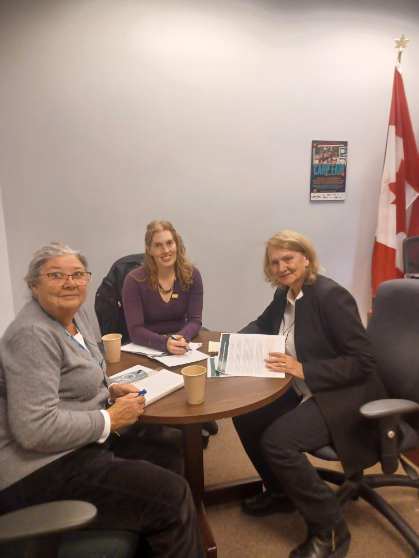
Past board member, Ellen Shipman, and Jenna Bennett, Policy and Political Action ENO, met with Karen McCrimmon (MPP for Kanata-Carleton) to discuss RNAOs key advocacy priorities related to primary care access and the impacts of housing insecurity on health.
The conversation explored how gaps in primary care continue to affect patients across Ontario, often leading individuals to seek care in emergency departments when community based options are unavailable. RNAO Ottawa Region 10 shared how greater use of nurses within interdisciplinary and community settings can expand timely access, support prevention, and improve community that keeps people healthier at home.
Housing was also a central focus. Nurses regularly see how unstable or unaffordable housing contributes to worsening chronic illness, mental health challenges, and delayed recovery after illness or hospitalization. Addressing housing stability is an essential component of improving health outcomes and reducing avoidable strain on the health system.
RNAO Ottawa Region 10 values ongoing dialogue with policymakers and remains committed to advancing collaborative, evidence-informed approaches that strengthen both patient care and community well-being across Ontario.